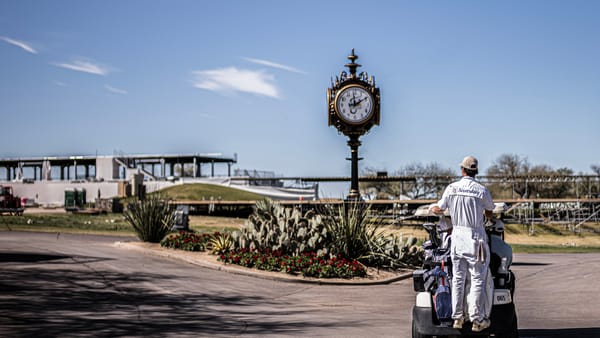
Breakfast Ball
Range felt like I had it. First tee said I didn’t. TPC Scottsdale, a breakfast ball, and the part nobody talks about—the searching, not the bad shot.

Range felt like I had it. First tee said I didn’t. TPC Scottsdale, a breakfast ball, and the part nobody talks about—the searching, not the bad shot.
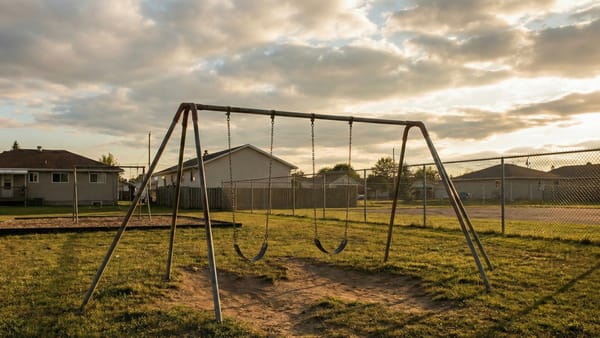
No context. No introductions beyond first names. No job titles. No history. Just two people and a tee box. Golf is the last playground.
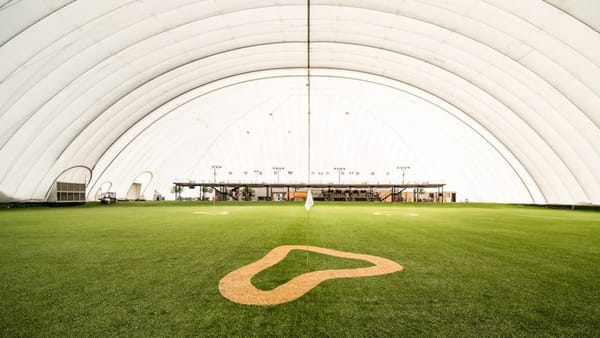
Alzheimer's took almost everything from my Uncle Tom. It couldn't take his swing. And it couldn't take his brothers.
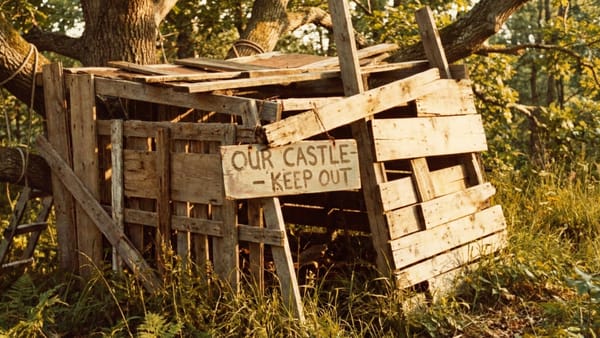
Most of us stopped building somewhere along the way. We started buying instead. Subscribing. Waiting for permission. This weekend I built a compliant, audit-aware business finance system in three hours — and remembered something dangerous.

Golf taps into the part of us that once believed we might be the hero. Every round is a reset. A chance. One more swing before the streetlights come on.

The WM Phoenix Open doesn't reward perfect swings. It rewards swings that can survive noise, adrenaline, and disruption without falling apart. Pressure doesn't create problems—it reveals them. What remains when calm conditions disappear is what you've actually trained.
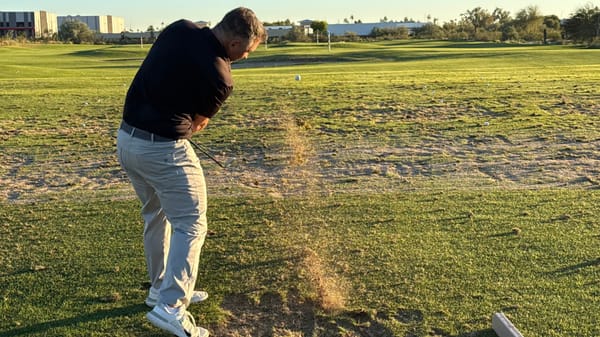
Understanding a swing change isn’t the same as executing it. Most golfers chase mechanics their bodies can’t support and wonder why it doesn’t stick.

Most golfers blame their swing. The real problem? Desk jobs change your body—and instruction never adjusts. Here's why mobility matters more than mechanics.

Golf improvement is a $2 billion industry built on better tools and better data. After forty years of innovation, the average golfer has improved by roughly one stroke. When the “average” is framed as a 15-handicap, most golfers feel behind — and start chasing quick fixes instead of learning.
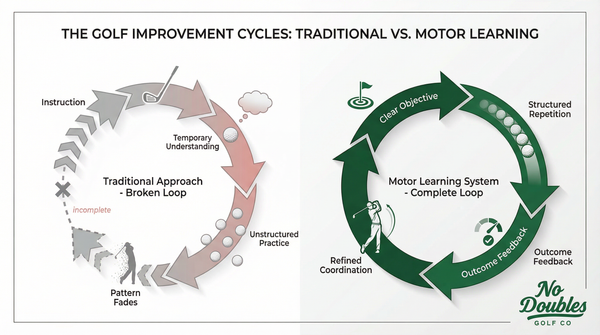
Most golfers don’t struggle because they lack effort or instruction — they struggle because their improvement process ignores how learning actually works. Golf improvement isn’t a swing problem. It’s a learning problem.

A year-end reflection on building No Doubles. A grateful look back at the lessons learned, the people who supported us, and the responsibility we feel to build better, more accessible golf instruction.
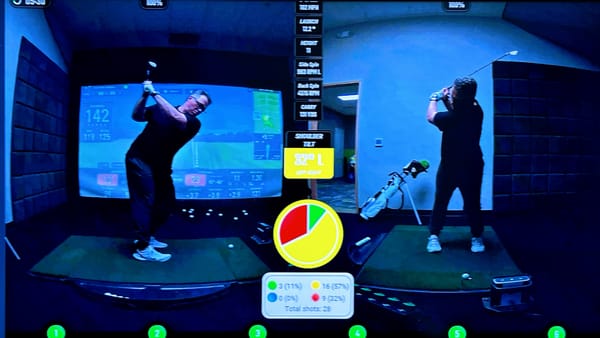
Golfers are surrounded by tips, gadgets, and quick fixes, yet few improve. This post explains why motor learning, correct repetition, and structure matter more than information.
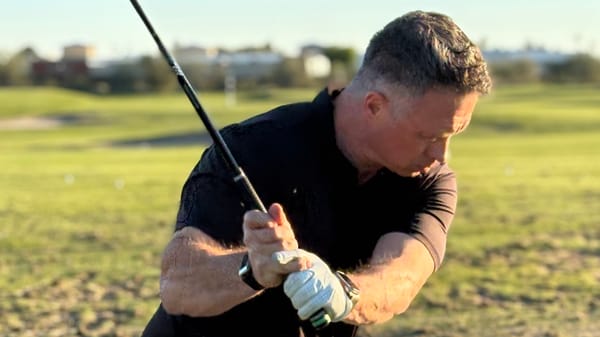
AI Golf Technology
Google Gemini shows what happened in your swing, but not why. No Doubles focuses on root causes, clarity, and the drills that create real improvement.

AI Golf Technology
We refined scoring, strengthened Snapshot patterns, stabilized Training Plans, and continued tuning the engine. Your swings are helping us build a more accurate and trustworthy golf improvement system.
AI Golf Technology
Why we built No Doubles, how Google Gemini swing analysis validates our approach, and how our AI powered improvement system helps real golfers fix flaws and eliminate doubles.